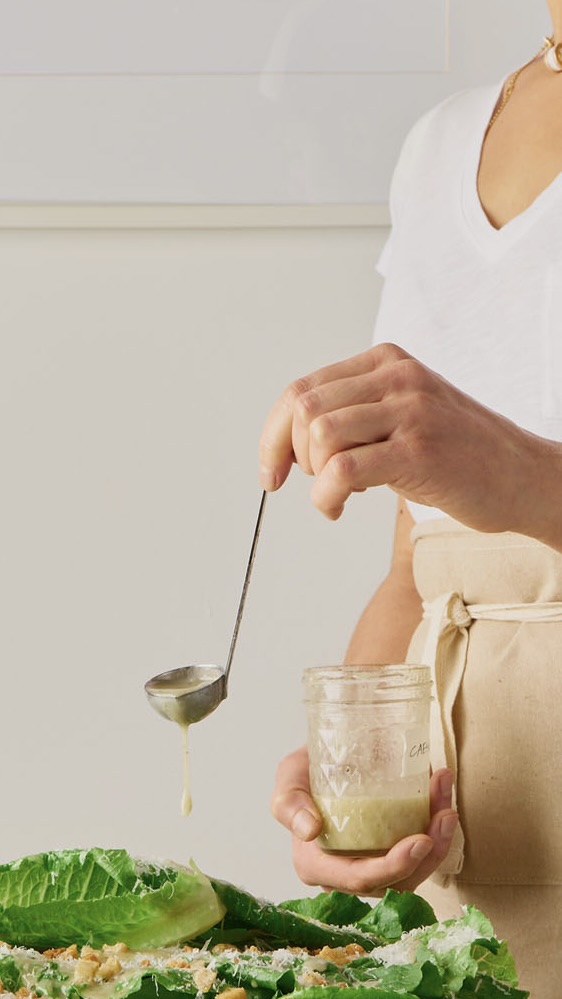
Unlocking Culinary Brilliance: The Art of Crafting Perfect Dressings
Imagine a vibrant salad, crisp greens, colorful vegetables, perhaps some grilled chicken or toasted nuts. What's the one element that ties it all together, adding that essential pop of flavor, moisture, and gastronomic delight? The dressing. Too often, we reach for a store-bought bottle, sacrificing freshness and customization for convenience. But what if we told you that creating your own exquisite homemade dressings is not only simple but also a game-changer for your culinary repertoire? It's time to discover the secret behind crafting perfect dressings: using quality ingredients to unleash truly bold flavors.
Forget the notion that a superior dressing requires obscure ingredients or complicated techniques. At its heart, a great dressing recipe is about balancing key components and letting fresh, high-quality ingredients shine. From basic vinaigrettes to creamy, zesty concoctions, the journey to elevating your everyday meals starts right in your kitchen.
The Transformative Power of Homemade Dressings
Why bother making your own salad dressing when shelves are brimming with options? The answer lies in control, freshness, and unparalleled flavor. Store-bought dressings often contain a long list of preservatives, artificial flavors, and excessive sugar or sodium. When you craft a homemade dressing recipe, you dictate every ingredient, ensuring a healthier, more vibrant outcome.
Think about it:
- Uncompromised Freshness: Utilizing fresh herbs, quality oils, and vibrant citrus juices immediately translates to a more potent and delicious flavor profile.
- Ingredient Control: Avoid unwanted additives, choose organic produce, and tailor the sodium or sugar content to your dietary needs.
- Cost-Effectiveness: Basic pantry staples like vinegar, oil, and spices are often more economical in the long run than repeatedly purchasing bottled dressings.
- Customization: Every palate is unique. Homemade dressings allow you to adjust sweetness, acidity, spiciness, and creaminess to perfection.
- Versatility Beyond Salads: A good dressing is far more than just a salad topping. It can be a marinade, a dipping sauce, a drizzle for roasted vegetables, or a flavor booster for grains and proteins.
Making your own dressings transforms a simple bowl of greens into a gourmet experience. It's a small effort with a massive impact on your meals.
Mastering the Art of the Vinaigrette: Your Foundation Dressing Recipe
The vinaigrette is the cornerstone of almost all salad dressings, a testament to the power of a few simple ingredients harmoniously combined. At its core, a vinaigrette is an emulsion of oil and acid, often enhanced with aromatics, herbs, and seasonings. Understanding this fundamental dressing recipe is your first step toward culinary freedom.
The Golden Ratio and Quality Ingredients
The classic vinaigrette ratio is typically 3 parts oil to 1 part acid. However, for a brighter, bolder flavor that's also lighter in calories, many chefs, including culinary legend Julia Child, advocate for a closer 1-to-1½ acid-to-oil ratio. This means for every ½ cup of acid (like vinegar or lemon juice), you'd use ¾ cup of oil. Experimentation is key to finding your personal preference.
Child's timeless advice rings true: use high-quality vinegar and oil. Their flavors form the backbone of your dressing and will truly shine through.
- Acids:
- Vinegars: Extra virgin olive oil, for its robust and fruity notes, is the gold standard. For specific flavor profiles, consider avocado oil (neutral), grapeseed oil (light), or specialty oils like walnut or sesame for Asian-inspired dressings.
- Citrus Juices: Freshly squeezed lemon, lime, or even orange juice provides a vibrant tang that synthetic alternatives can't match.
- Oils:
- Vinegars: Apple cider vinegar offers a fruity, mellow tang; red wine vinegar is bold and classic; white wine vinegar is milder; balsamic vinegar provides sweetness and depth; champagne vinegar is delicate and sophisticated. Don't forget specialty vinegars like sherry or rice vinegar for specific culinary applications.
- Citrus Juices: Freshly squeezed lemon, lime, or even orange juice provides a vibrant tang that synthetic alternatives can't match.
- Aromatics & Seasonings:
- Mustard: Dijon mustard acts as a fantastic emulsifier, helping the oil and acid bind, while also adding a pungent, savory kick.
- Garlic & Shallots: Minced fresh garlic or finely chopped shallots impart depth and a gentle bite.
- Fresh Herbs: Parsley, chives, dill, basil, oregano, thyme – the options are endless. Fresh herbs elevate flavor significantly compared to dried.
- Sweeteners: A touch of honey, maple syrup, or a pinch of sugar can perfectly balance the acidity and tartness, especially with brighter vinegars or citrus.
- Salt & Pepper: Always season to taste. Freshly ground black pepper is essential.
A basic dressing recipe for a simple vinaigrette might look like this:
    ⅓ cup acid (e.g., red wine vinegar, lemon juice)
    ½ cup quality oil (e.g., extra virgin olive oil)
    1-2 tsp Dijon mustard
    1 clove garlic, minced (optional)
    ½ tsp salt
    ¼ tsp black pepper
    Optional: 1 tsp honey or maple syrup, fresh herbs
Whisk vigorously or shake in a jar until emulsified. Taste and adjust!
Beyond the Basic Bowl: Elevating Flavors with Unique Dressings
While the vinaigrette is a fantastic starting point, the world of homemade dressings is vast and exciting. Let's explore some beloved examples that showcase bold flavors and incredible versatility. For even more inspiration, check out our guide on + Homemade Salad Dressings: From Ranch to Vinaigrette.
Zesty & Creamy Creations
- Chipotle Ranch Dressing: This isn't your average ranch. Infuse a classic creamy base with the smoky heat of canned chipotle peppers and their adobo sauce. This versatile dressing recipe is fantastic over a crisp salad, as a dipping sauce for fries or fresh veggies, or even drizzled on a chicken sandwich. Pro tip: Freeze extra chipotle peppers in ice cube trays for future use!
- Cilantro-Avocado Dressing: For a vibrant, creamy, and healthy option, blend fresh cilantro with ripe avocado, lime juice, a hint of garlic, and a touch of water to reach your desired consistency. This dressing is sublime on a salad featuring romaine, black beans, grape tomatoes, and crumbled tortilla chips. It brings a fresh, herbaceous creaminess that's hard to beat.
Bright & Tangy Vinaigrettes with a Twist
- Lemon-Garlic Vinaigrette with Honey: A quick and bright dressing featuring fresh lemon juice and finely minced shallots. A touch of honey balances the tartness, making it perfect for pasta salads, leafy greens, or even spooned over cooked green beans or poached fish for an extra zing. The shallots provide a delicate oniony flavor without being overpowering.
- Dijon Vinaigrette: This all-purpose dressing is a classic for a reason. The pleasing pungency of Dijon mustard makes it an excellent match for slightly bitter greens like escarole, radicchio, or Belgian endive. Beyond salads, it's an irresistible dipping sauce for crunchy vegetables (especially fennel) or crusty whole-wheat bread.
- Raspberry Vinaigrette: Sweet-tart raspberries pair beautifully with shallots and tangy champagne vinegar in this bright dressing recipe. A touch of honey once again rounds out the acidity, making it ideal for mixed green salads, grain bowls, or grilled vegetables. It adds a sophisticated fruitiness.
- Easy Homemade Italian Dressing: A snap to pull together, this classic offers robust flavors of dried herbs (oregano, basil), garlic, onion, and a good red wine vinegar. It lasts for up to a week in the fridge, making it perfect for meal prep.
Robust & Classic Staples
- Classic Caesar Dressing: A true crowd-pleaser, the Caesar dressing boasts a rich, tangy, and savory profile with notes of Parmesan, garlic, lemon, and anchovy (often optional, but highly recommended for authentic flavor). Don't hesitate to double this dressing recipe to have extra on hand; it's just as good the next day!
- Roasted Nut & Citrus Dressing: For an Asian-inspired twist, combine roasted nut flavors (think sesame oil or a splash of peanut oil) with fresh citrus. This easy dressing pairs wonderfully with Asian-style salads, or drizzled over grilled shrimp or chicken breast, adding a complex depth.
Tips for Homemade Dressing Success & Storage
To ensure your homemade dressings are consistently perfect, keep these tips in mind:
- Emulsify Properly: For vinaigrettes, slow and steady wins the race. Slowly drizzle the oil into the acid while whisking vigorously to create a stable emulsion. A jar with a tight-fitting lid is also excellent for shaking dressings. For creamy dressings, a blender or food processor ensures smoothness.
- Taste and Adjust: This is the most crucial step. Always taste your dressing before serving. Does it need more salt? More acidity? A touch of sweetness to balance? Don't be afraid to tweak.
- Let Flavors Marry: For dressings containing minced garlic, shallots, or fresh herbs, letting them sit for at least 15-30 minutes (or even longer in the fridge) allows the flavors to meld and deepen beautifully.
- Storage Savvy: Most oil-and-vinegar based dressings will keep well in an airtight container in the refrigerator for up to a week. Creamy dressings, especially those with fresh ingredients like avocado, may only last 3-4 days. Always label and date your creations. If separation occurs, simply shake or whisk again before serving.
- Batch It Up: Making a slightly larger batch of your favorite easy homemade dressings saves time during the week and encourages healthier eating.
Conclusion
Stepping into the world of homemade dressings is a rewarding culinary adventure that promises fresher flavors, healthier meals, and endless customization. By focusing on quality ingredients and understanding the basic principles behind each dressing recipe, you unlock a universe of bold, exciting flavors that will elevate not just your salads, but a wide array of dishes. So, ditch the store-bought bottles, embrace the whisk, and start crafting your perfect dressings today. Your taste buds—and your health—will thank you.
